Porcelain Veneers: Steps, Benefits, and Long-Term Care Tips
Unlocking the Tricks of Veneers: Realities, Types, and Advantages for a Gorgeous Smile
Veneers supply a compelling remedy for those seeking to enhance their smiles. These dental enhancements can resolve various imperfections, from staining to imbalance. With options like porcelain and composite, people can choose based upon their requirements and choices. Understanding the subtleties of veneers, consisting of application and care, is vital. What factors should one take into consideration before making a choice? The responses might amaze those curious about this aesthetic oral option.
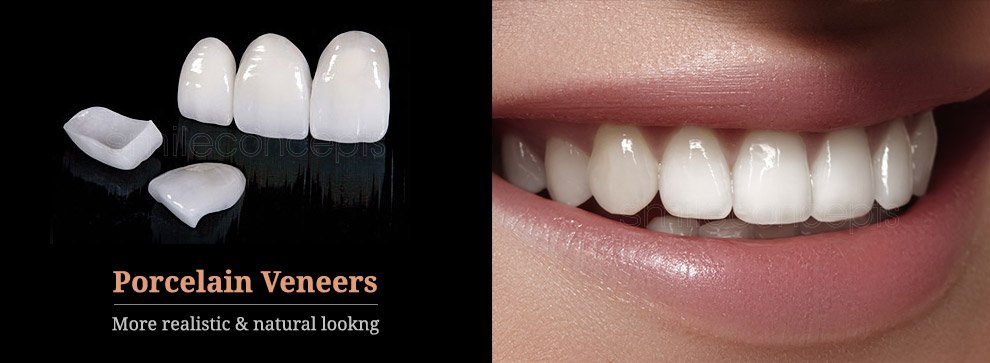
Understanding Veneers: What Are They?
Veneers are thin, custom-made coverings developed to cover the front surface area of teeth, enhancing their appearance. Commonly crafted from long lasting products, these shells are customized to fit each person's teeth specifically. They serve multiple functions, consisting of remedying visual flaws such as staining, chips, or voids. The application procedure involves a dental professional preparing the teeth, typically by eliminating a percentage of enamel to guarantee a snug fit. Once prepared, the veneers are bonded to the teeth utilizing a strong adhesive.
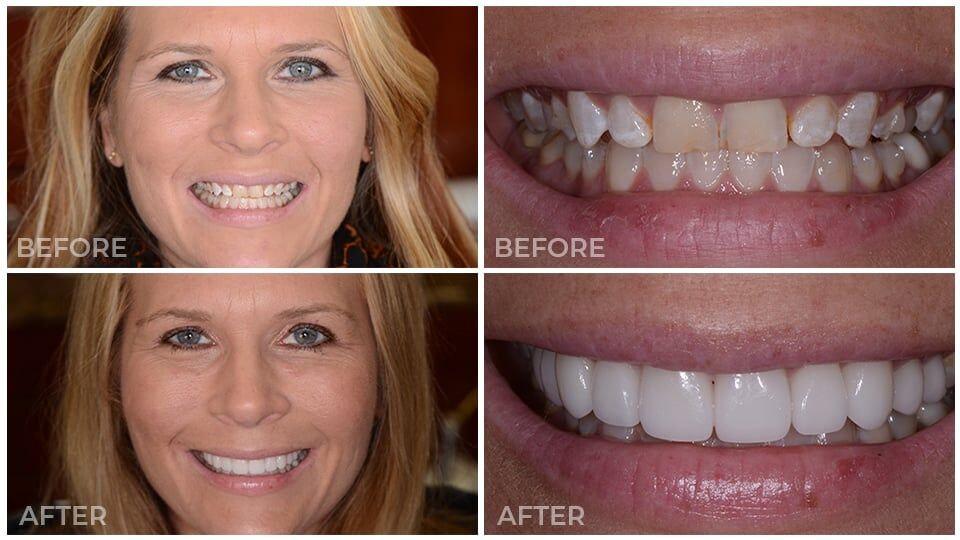
Clients often pick veneers for their capability to produce a natural-looking smile while providing a resilient service to dental imperfections. Unlike other cosmetic dental care choices, veneers need marginal invasive procedures, making them a prominent choice. The result is an improved smile that can considerably increase an individual's self-confidence and self-esteem. Overall, veneers use an efficient method to attaining an extra harmonious and eye-catching dental appearance.
Sorts of Veneers: Porcelain vs. Compound
When thinking about aesthetic oral choices, 2 key kinds of veneers stand apart: porcelain and composite. Porcelain veneers are crafted from a durable ceramic product that resembles the all-natural appearance of teeth. They are recognized for their stain resistance and capability to mirror light similarly to natural enamel, supplying a visual appeal that several patients need. The application procedure typically includes more prep work of the tooth structure and may require multiple check outs to the dental expert.
On the other hand, composite veneers are made from a tooth-colored material that is straight put on the teeth. This kind permits quicker application and can often be completed in a single browse through. While they are much less pricey than porcelain veneers, they might not provide the exact same durability or resistance to staining. Ultimately, the choice in between porcelain and composite veneers depends upon individual preferences, budget plan, and details dental needs.
The Advantages of Choosing Veneers
Picking veneers supplies countless benefits that can substantially boost both the aesthetic appeals and functionality of an individual's smile. One of the primary benefits is their capability to correct imperfections such as staining, spaces, and misalignment, causing an extra consistent look. Veneers can also boost the resilience of teeth, supplying a protective layer that guards them from damages.
They call for minimal tooth preparation contrasted to other oral procedures, maintaining more of the all-natural tooth structure. This conservation adds to a healthier oral setting while still achieving a sensational smile.
Veneers are very adjustable, enabling people to select the form, dimension, and shade that ideal fits their preferences. Furthermore, they are stain-resistant, making it less complicated to preserve a eye-catching and bright smile with time. Generally, veneers offer a reliable option for those looking for both cosmetic enhancement and long-term oral wellness advantages.
The Veneer Application Refine
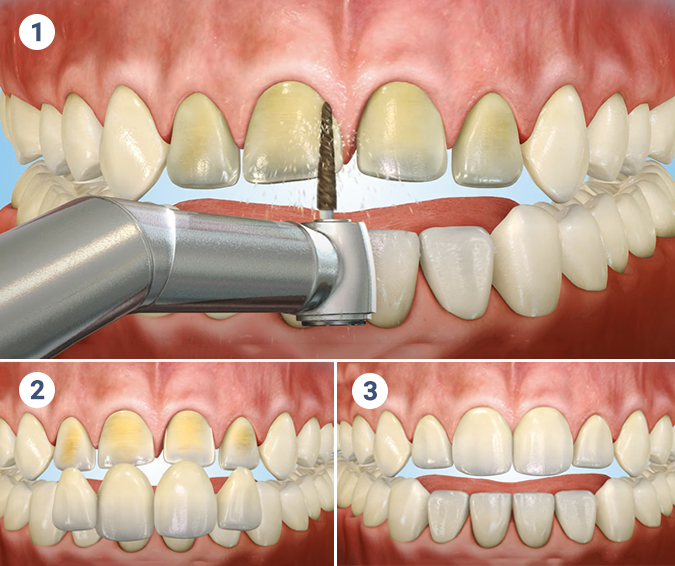
The veneer application process entails a number of essential actions to guarantee excellent outcomes. Initially, an appointment is performed to examine the patient's requirements, adhered to by the preparation and shaping of the teeth. The veneers are bonded in place, with adjustments made for a perfect fit and look.
Preliminary Examination Steps
A thorough preliminary assessment is essential for any person thinking about veneers, as it sets the foundation for an effective therapy. Throughout this conference, the dental professional evaluates the individual's oral health, discussing any kind of existing problems that could impact the veneer application. This evaluation might consist of X-rays and a visual evaluation to determine the problem of the teeth and gums.
The dentist additionally involves the person in an in-depth conversation concerning their visual objectives, preferences, and assumptions. They may present numerous veneer choices customized to the client's particular demands. Furthermore, the specialist clarifies the procedure, prospective threats, and aftercare demands, ensuring that the person is well-informed and comfortable before waging the treatment.
Preparation and Shaping Teeth
After the initial appointment, the next phase entails the prep work and shaping of the teeth to fit the veneers. This vital step is performed by the dental expert, that carefully examines the tooth structure to establish the quantity of enamel that requires to be removed. Normally, a thin layer, normally around 0.5 millimeters, is slashed off to ensure a correct suitable for the veneers. Accuracy is extremely important throughout this procedure, as it affects both the general convenience and the visual result. Once the teeth are appropriately shaped, impacts are required to create custom-made veneers that straighten completely with the individual's oral account. This meticulous preparation sets the phase for an effective veneer application, enhancing both appearance and function.
Bonding and Last Adjustments
Following the shaping and preparation of the teeth, the bonding process starts, noting an essential stage in the veneer application. During this stage, a dental adhesive is put on the prepared tooth surface, guaranteeing a solid bond in between the tooth i was reading this and the veneer. The dental practitioner carefully places the veneer, making modifications to accomplish the preferred positioning and appearances. When correctly put, an unique light is utilized to treat the glue, strengthening the bond. After healing, the dental practitioner performs last modifications, cutting any kind of excess product and fine-tuning the veneer's shape to guarantee a natural appearance. This mindful attention to information boosts both function and visual appeals, contributing to a total attractive smile that is durable and long-lasting.
Caring for Your Veneers: Maintenance Tips
Taking care of veneers is crucial to keep their look and long life. A constant daily cleansing regimen, conscious avoidance of discoloring foods, and routine dental exams are essential components of effective maintenance. These methods aid assure that veneers stay in peak problem and remain to boost one's smile.
Daily Cleaning Routine
Frequently keeping veneers is important for their long life and look. A proper daily cleansing regimen can help maintain their sparkle and avoid damage. Dentists suggest brushing two times a day with a soft-bristled tooth brush and fluoride toothpaste, making sure that all surface areas are cleaned delicately to avoid damaging the veneer surface area. Flossing day-to-day is also crucial to remove food fragments and plaque from in between teeth, where brushes may not reach. Furthermore, utilizing an antimicrobial mouth wash can help keep oral hygiene without damaging the veneers. It is a good idea to stay clear of rough cleaners and devices that can scrape the veneer. By complying with these easy steps, individuals can maintain their veneers looking attractive while advertising general oral health and wellness.
Staying Clear Of Discoloration Foods
Although veneers are designed to boost the look of teeth, their vulnerability to tarnishing necessitates careful dietary choices. It is essential for individuals with veneers to be conscious of certain foods and beverages that can result in staining. Dark-colored products such as coffee, merlot, and berry juices need to be eaten in small amounts, as they are recognized to discolor both natural teeth and veneers. Additionally, acidic foods like citrus fruits container damage the bonding agents made use of in veneers, making them a lot more prone to discoloration. To maintain a brilliant smile, it is advisable to rinse the mouth with water after taking in discoloration foods and to exercise routine oral health. These thoughtful options add substantially to the long life and visual appeals of veneers.
Normal Oral Examinations
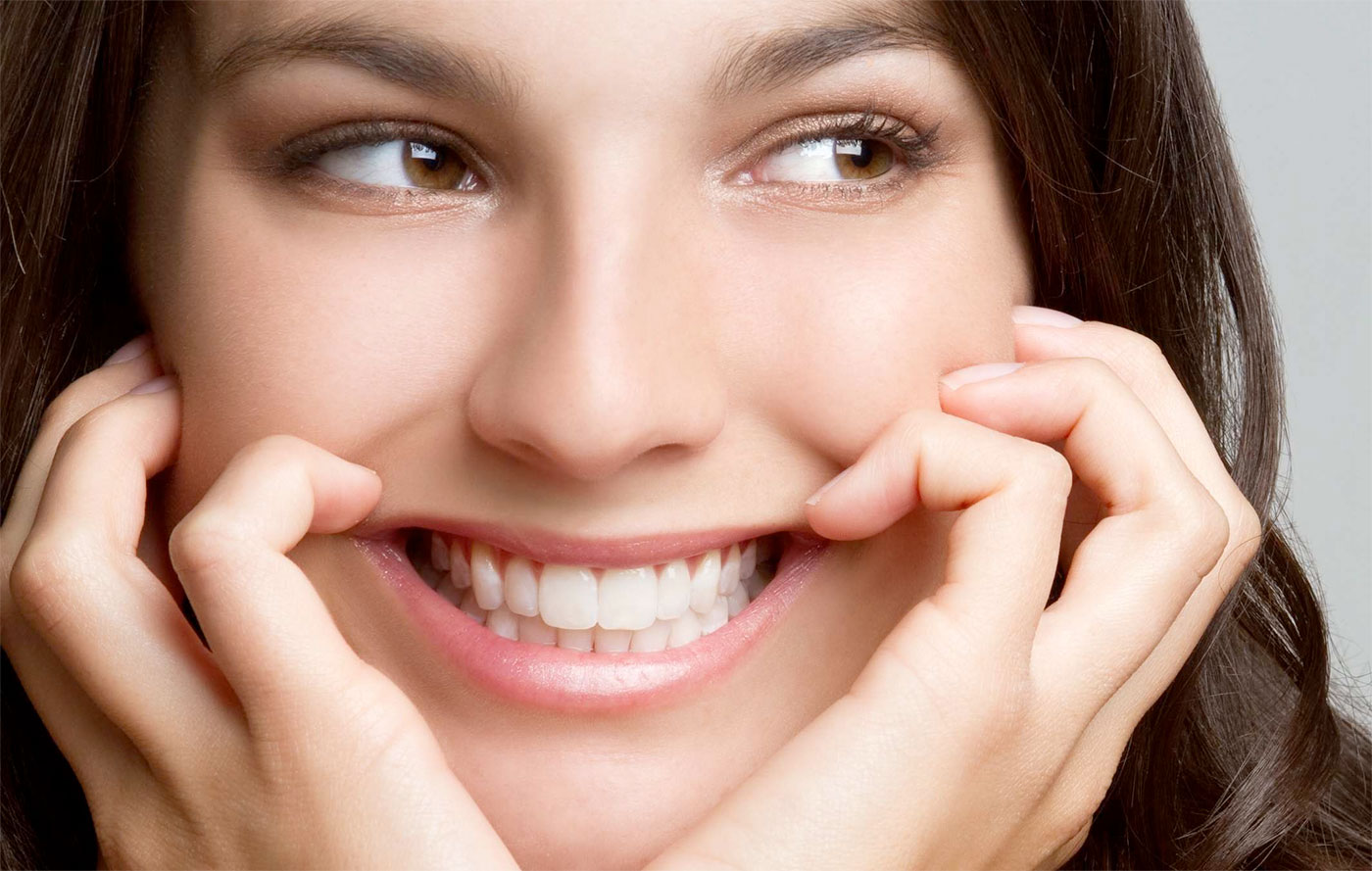
Keeping the honesty of veneers requires a dedication to routine oral exams, as these consultations play an essential role in guaranteeing their durability and look. During these check outs, dental experts can examine the condition of the veneers, looking for any type of indicators of wear, damage, or underlying dental concerns. In addition, routine cleanings assist remove plaque and tartar that can accumulate around the my review here veneers, advertising general dental health and wellness. Dental experts can likewise offer tailored recommendations on care methods and items matched for veneer maintenance. By sticking to a schedule of exams, people can address possible problems early, guaranteeing their smile remains gorgeous and lively. Inevitably, routine dental brows through are a critical element of veneer treatment.
Is Veneers the Right Alternative for You?
Making a decision whether veneers are the right option commonly depends upon individual oral demands and visual goals. For those looking for to address issues such as staining, chips, or misalignment, veneers can give a transformative option. Candidates generally include people with healthy and balanced teeth but want an enhanced smile.
However, it is important to think about elements such as tooth enamel condition, the degree of dental concerns, and the readiness to maintain veneers - Porcelain Veneers. Consulting with an oral professional is necessary, as they can examine dental wellness and determine if veneers appropriate
Additionally, potential candidates ought to review the long-term commitment, as veneers may call for substitute every 10-15 years. Cost have a peek at these guys considerations likewise play a significant duty, as veneers can be a considerable financial investment. Ultimately, the choice needs to be well-informed, stabilizing aesthetic needs with sensible factors to consider for enduring results.
Often Asked Questions
The Length Of Time Do Veneers Normally Last Prior To Requiring Substitute?
Veneers usually last in between 10 to 15 years before requiring substitute. Aspects such as oral hygiene, way of living options, and worldly high quality can affect their durability, making normal dental examinations necessary for maintaining their condition.
Are Veneers Safe for Individuals With Sensitive Teeth?
Veneers can be secure for people with delicate teeth, yet it typically relies on the extent of sensitivity and the dental professional's strategy. Consulting a dental professional prior to proceeding is essential to guarantee suitable results.
Can Veneers Be Removed or Replaced Easily?
Do Veneers Spot Over Time, and Exactly How Can I Avoid It?
Veneers can stain with time, particularly from foods and beverages like coffee or red white wine. To stop staining, keeping good dental health, using a straw for drinks, and normal oral cleansings are recommended practices.
What Is the Expense Array for Getting Veneers?
The price of veneers generally varies from $500 to $2,500 per tooth, depending upon elements such as material type, dental professional experience, and place. Patients need to talk to oral specialists for individualized quotes and funding choices.
Once the teeth are effectively shaped, impacts are taken to produce custom-made veneers that line up perfectly with the patient's dental profile. During this stage, an oral adhesive is applied to the prepared tooth surface, guaranteeing a strong bond between the veneer and the tooth. It is important to take right into account factors such as tooth enamel problem, the degree of oral issues, and the desire to preserve veneers. Veneers can be safe for people with sensitive teeth, but it frequently depends on the extent of level of sensitivity and the dentist's technique. The expense of veneers generally ranges from $500 to $2,500 per tooth, depending on elements such as product kind, dental professional experience, and place.